

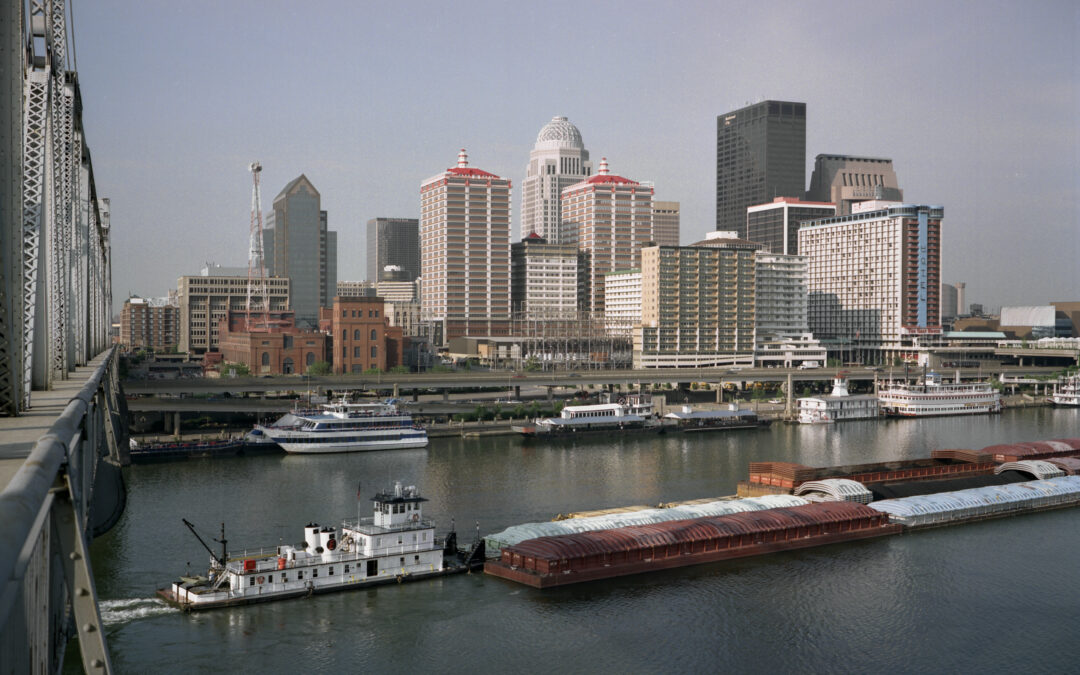
Louisville, Kentucky concentrates an extraordinary range of world-class museums and cultural institutions along a compact stretch of West Main Street that residents and visitors know as Museum Row. This downtown corridor — running through the heart of Louisville's historic cast-iron warehouse district — contains the Louisville Slugger Museum and Factory, the Muhammad Ali Center, the Frazier History Museum, the Kentucky Science Center, and the Louisville Glassworks within walking distance of one another, creating one of the most culturally dense pedestrian corridors in the American South.
For Louisville residents, Jefferson County families, and anyone exploring what makes this Ohio River city genuinely distinctive, Museum Row represents the most concentrated expression of the city's civic ambition and cultural investment.
How Cultural Clustering Built a Downtown Destination
The corridor's development along West Main Street reflects a deliberate strategy of cultural clustering that Louisville's civic and philanthropic community pursued across the late twentieth and early twenty-first centuries — recognizing that individual institutions draw visitors, but a critical mass of adjacent destinations creates the pedestrian vitality and dwell time that transforms a street into a destination.
The result is a block-by-block accumulation of institutional investment that has anchored downtown Louisville's revitalization and established the cultural identity that defines the city's national profile.
The Louisville Slugger Museum and Factory
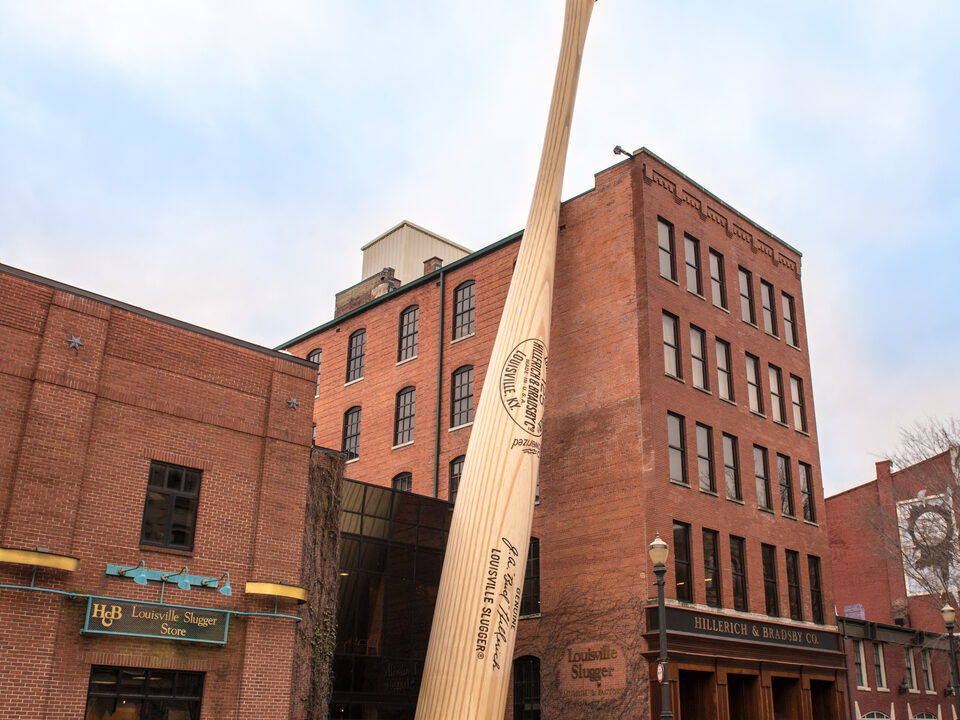
The Louisville Slugger Museum and Factory occupies a building on West Main Street whose facade — a 120-foot steel replica of a baseball bat leaning against the exterior wall — announces the institution's subject from blocks away and has become one of Louisville's most photographed urban landmarks.
The museum documents the history of the Louisville Slugger bat, manufactured in Louisville since 1884, and offers factory tours that allow visitors to observe the production of wooden bats from billet to finished product. This combination of manufacturing transparency and sports heritage gives the museum an appeal that extends well beyond baseball enthusiasts to anyone interested in American craft production and the specific industrial history of Louisville's manufacturing economy.
The bat's connection to professional baseball's most celebrated players — from Babe Ruth and Ty Cobb to contemporary major leaguers — gives the museum a national significance that draws visitors from across the country, a legacy documented by the National Baseball Hall of Fame whose inductees have swung Louisville Slugger bats across more than a century of American professional baseball.
The Muhammad Ali Center
The Muhammad Ali Center is among the most architecturally significant and thematically ambitious cultural institutions in the American South — a museum and educational center dedicated to the life, career, and humanitarian legacy of Louisville native Cassius Clay, who became Muhammad Ali and whose impact on sport, civil rights, and global culture makes him one of the twentieth century's most significant American figures.
The center's exhibits document Ali's boxing career in forensic detail while placing it within the broader context of his conscientious objector status during the Vietnam War, his conversion to Islam, and his decades of humanitarian work that continued long after his athletic career ended.
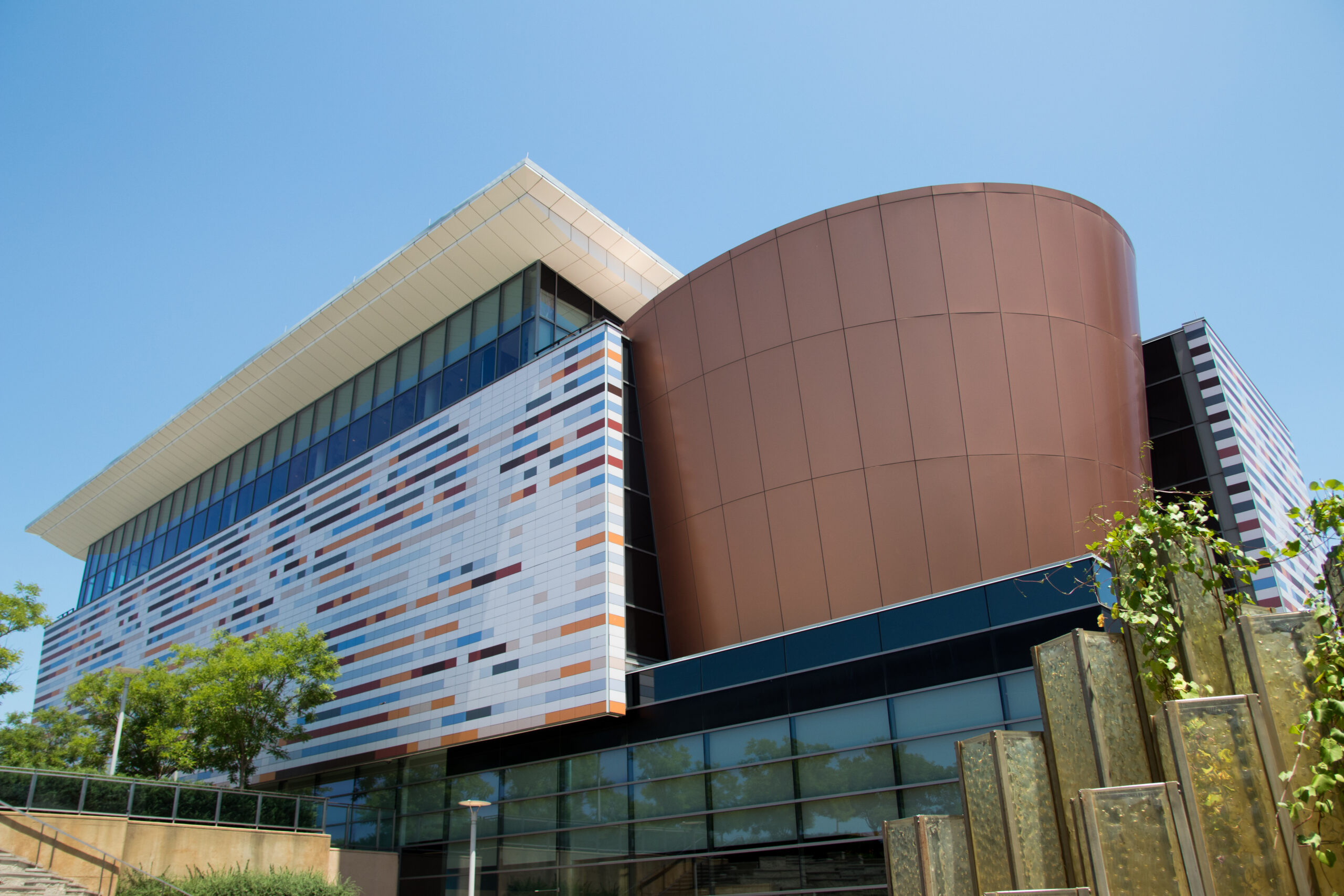
The building's architecture — a contemporary design whose exterior surfaces reference Ali's fluid movement and the river that flows beside it — gives the Ali Center a physical presence on West Main Street commensurate with its subject's cultural stature.
The Muhammad Ali Center provides public access to programming, exhibition information, and educational resources that reflect the institution's dual mission of celebrating Ali's legacy while promoting the values of respect, confidence, conviction, dedication, and giving that defined his life.
The Frazier History Museum and Kentucky Science Center
The Frazier History Museum anchors the eastern end of Museum Row's core concentration, housing collections of arms, armor, and American frontier history that document the military and exploration heritage of the Ohio Valley and the broader Kentucky and American narrative.
The museum's partnership with the Royal Armouries of Leeds, England — one of the world's foremost collections of arms and armor — gives the Frazier access to objects and expertise that no regional history museum in Louisville could independently sustain, elevating its collections to a level of scholarly and public significance that distinguishes it from comparable institutions elsewhere.
Adjacent to the Frazier, the Kentucky Science Center serves Louisville's family and student audiences with hands-on science programming that connects STEM education — science, technology, engineering, and mathematics — to the regional industrial and scientific heritage of Kentucky and the Ohio Valley.
Together, the Frazier and the Science Center serve the full range of Museum Row's visitor audience — from adult history enthusiasts to school-age children for whom the Science Center's interactive exhibits provide the entry point into Louisville's cultural corridor.
Kentucky's Climate and Museum Row's Indoor Appeal
Kentucky's climate gives Museum Row a specific year-round appeal rooted in Louisville's seasonal weather patterns. Jefferson County experiences a humid continental climate — with hot, humid summers averaging July highs near 88°F, cold winters with average January lows near 26°F, and approximately 46 inches of annual precipitation according to NOAA climate data for Louisville.
This seasonal range creates genuine demand for quality indoor cultural destinations during Louisville's coldest winter months and most intensely humid summer days, making Museum Row's climate-controlled institutions practically valuable as well as culturally significant.
The corridor's indoor environment sustains visitor activity across every season in ways that outdoor-dependent cultural attractions cannot, giving Museum Row a year-round economic function in Louisville's tourism and hospitality economy that reinforces its importance beyond the peak spring and fall seasons when outdoor recreation and festival programming draw visitors to the region.
Museum Row's Role in Louisville's Urban Identity
Museum Row has become the most internationally recognized dimension of Louisville's downtown identity — the address that appears in national travel guides, the destination that out-of-town visitors cite as their primary reason for spending time in the city's urban core, and the anchor that has sustained the West Main Street corridor's continued investment through multiple economic cycles.
The Louisville Tourism organization documents Museum Row's visitor statistics and programming that reflect the corridor's sustained significance as Louisville's primary cultural tourism destination.The corridor's success has reinforced the case for continued cultural investment in downtown Louisville and demonstrated that a mid-sized American city can compete for national and international cultural attention through deliberate institutional clustering rather than the construction of single landmark buildings.
Museum Row's commitment to preserving and activating Louisville's historic West Main Street district reflects the same preservation philosophy visible in the Old Louisville Historic District — both represent the city's sustained investment in its architectural heritage as a foundation for contemporary civic and cultural life.
For Jefferson County residents and anyone considering Louisville as a travel destination, Museum Row represents the most compelling argument that this Ohio River city has built something genuinely worth experiencing. Those exploring the history, culture, and community character of Louisville Kentucky will find that Museum Row delivers a concentrated cultural experience that rivals comparable corridors in cities of far greater size.