

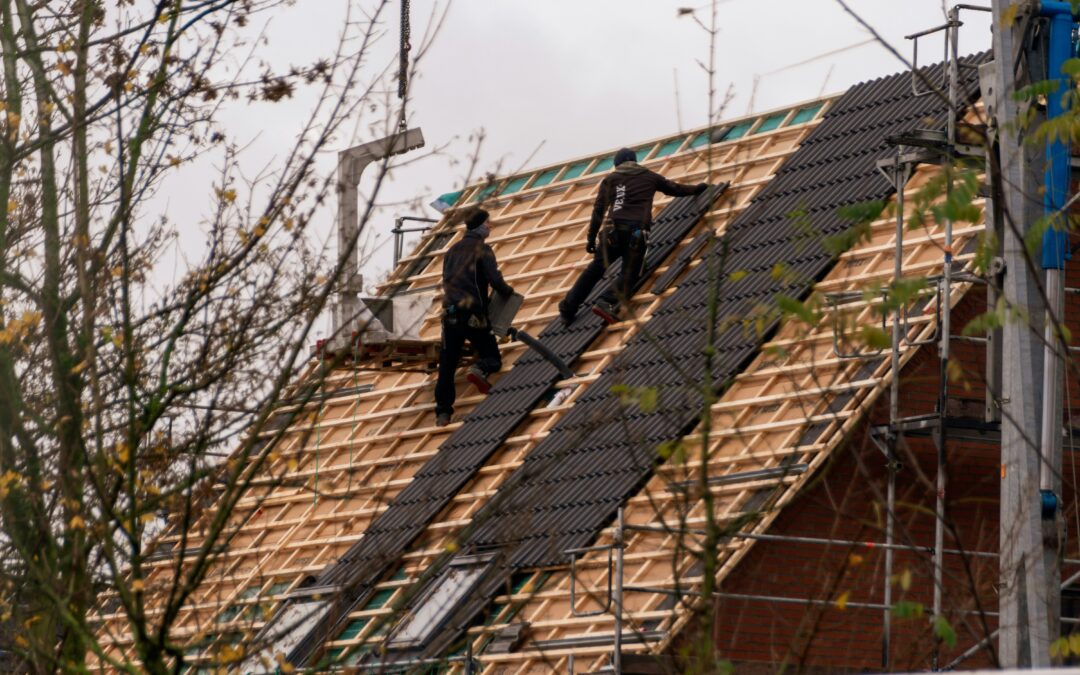
A roof replacement ranks among the largest repair costs a Louisville property owner will face, yet the rules behind that work are not always obvious. Kentucky regulates roofing differently from many other states. At We Nailed It Roofing & Gutters, we want you to understand who sets the standards before you hire anyone, including us. This guide explains how Kentucky and Louisville Metro oversee roofing and what that means for your project.
Who Oversees Roofing in Kentucky
The Kentucky Department of Housing, Buildings and Construction (DHBC) administers the state's construction standards. Under KRS Chapter 198B, the department enforces the Kentucky Building Code, which covers commercial structures, and the Kentucky Residential Code, which covers one- and two-family homes. A building code is a set of minimum safety and construction requirements that every project must meet. You can review the department's resources on its official website.
Roofing contractors face a different licensing picture. Kentucky licenses trades such as electricians, plumbers, and HVAC contractors at the state level, but it does not issue a statewide roofing contractor license. That gap places extra responsibility on you to verify a roofer's credentials before signing anything.

What Louisville Metro Adds to the Picture
Local government fills much of that gap. Louisville Metro Government handles permitting and inspections for work inside the county, and you can find its codes and permitting information through Louisville Metro. A permit is official approval from the local building authority to begin work, and an inspection confirms that the finished work meets code.
Scope matters here. Replacing damaged decking or altering the roof structure is treated differently from patching a few shingles. Ask your contractor which permits apply to your project and who will pull them, and confirm the answer with Louisville Metro before work begins.
Rules also change at the county line. We serve neighboring communities such as Shelbyville, so we encourage you to confirm requirements with your local office. Across the Ohio River, we also serve Jeffersonville, Clarksville, and New Albany, where state and local rules differ from Kentucky's.
Code Details That Shape Louisville Roofs
Louisville roofs endure summer thunderstorms, hail, high winds, and winter freeze-thaw cycles. The National Weather Service in Louisville tracks these severe weather events across the region. Building codes exist to help roofs withstand those conditions. Code-compliant work typically addresses several core components:
- Roof decking: the wood sheathing that forms the base layer under all roofing materials.
- Underlayment: a protective layer installed beneath shingles or membranes to block moisture.
- Flashing: thin metal pieces that direct water away from chimneys, vents, valleys, and wall joints.
- Ventilation: airflow in the attic space that controls heat and moisture buildup.
- Fastening: the nails or screws that hold materials in place and resist wind uplift.
Each of these components affects how long your roof lasts. Shortcuts in any one of them often lead to leaks that appear months or years later. Industry groups such as the NRCA publish technical guidance that goes beyond the minimum code language.
Drainage deserves the same attention. Properly sized gutter installation carries runoff away from the roof edge and the foundation, and we offer it alongside our roofing services. After a hailstorm or windstorm, roof storm damage can show up at flashing and gutter lines.
Residential and Commercial Roofs Follow Different Rules
Codes and best practices shift with the building type. Homeowners and commercial owners face different priorities, so each group should ask different questions.
Homeowners
Residential projects fall under the Kentucky Residential Code. When you plan residential roofing work, ask any contractor how tear-off, decking repair, and cleanup get handled. Our roof inspection service gives you a baseline before you decide between roof repair and roof replacement. If you replace the roof, we can also walk you through materials such as asphalt shingles and metal roofing.
Commercial and Multi-Unit Owners
Commercial buildings follow the Kentucky Building Code, and many use flat or low-slope roofs. EPDM (ethylene propylene diene monomer) is a synthetic rubber membrane commonly installed on those roofs, and TPO (thermoplastic polyolefin) is another widely used single-ply membrane. We install both as part of our commercial roofing services. Standing water shortens the life of any flat roof, which is why we also offer a roof maintenance program.
How to Protect Yourself as a Kentucky Property Owner
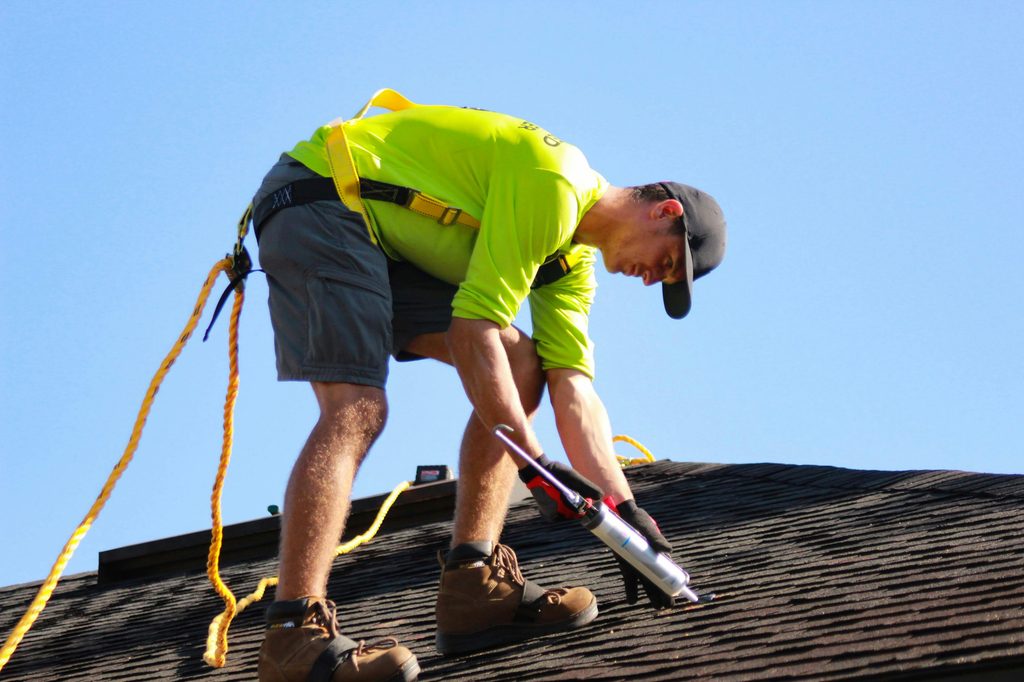
Storm season brings door-to-door sales pitches across Louisville. The Kentucky Attorney General's consumer protection office warns residents to be cautious with high-pressure sales and large upfront payments. Kentucky's home solicitation sales law also gives buyers a limited window to cancel certain contracts signed at home.
Take these steps before you hire any roofer:
- Request a written estimate that lists materials, labor, and the full scope of work.
- Ask for proof of liability insurance and workers' compensation coverage.
- Confirm who will obtain permits and schedule inspections.
- Read the warranty terms for both materials and workmanship.
- Ask about lien waivers, which are documents confirming that suppliers and subcontractors have been paid.
- Read our customer reviews and browse our project gallery to see finished work.
Storm damage adds another layer. If you file a claim, photograph the damage before any temporary repairs. We also help property owners work through the insurance claim process.
Get Roofing Help in Louisville With Clear Expectations
Understanding Kentucky's oversight puts you in a stronger position to ask the right questions and compare quotes with confidence. At We Nailed It Roofing & Gutters, we help Louisville property owners with residential roofing, commercial roofing, gutters, and emergency roof services. You can also read about us or explore our financing options.
If you have a leak, storm damage, or a replacement on the horizon, contact us to talk through your options. We will explain the scope of work, answer your questions about the process, and help you plan your next step. Reach out today and move forward with a clear picture of what your roof needs.