

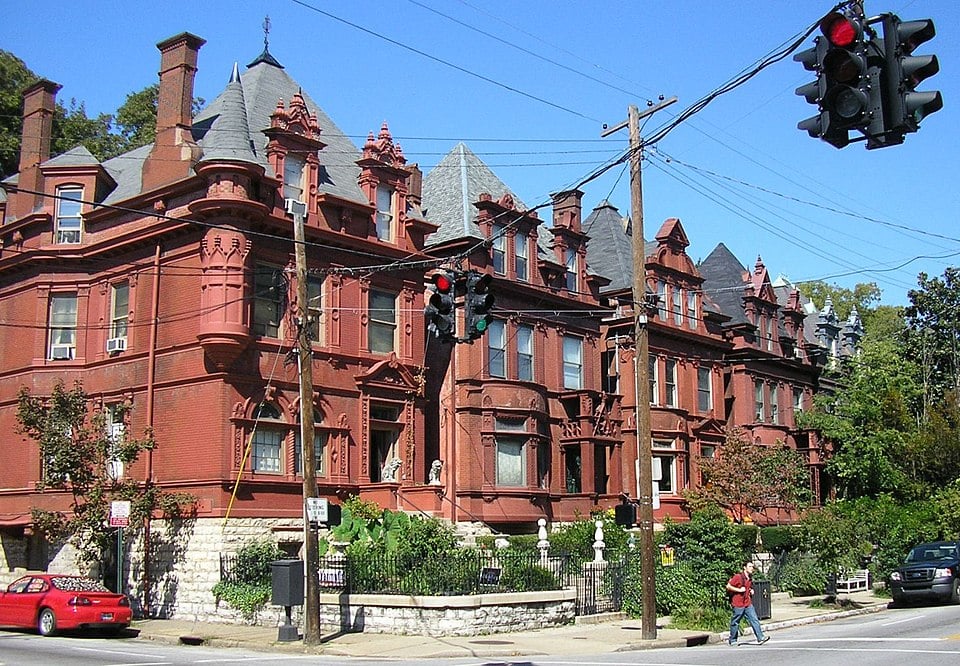
Louisville, Kentucky contains one of the most significant collections of Victorian-era residential architecture in the United States, and its crown jewel is the Old Louisville Historic District — a 45-block neighborhood immediately south of downtown that represents the largest intact Victorian neighborhood in the country. Developed primarily between 1880 and 1905 during Louisville's period of rapid post-Civil War economic expansion, Old Louisville's streetscapes of Queen Anne, Romanesque Revival, Chateauesque, and Beaux-Arts townhouses and mansions form an architectural inventory of extraordinary density and variety.
Gilded Age Origins and Landscape Legacy
For Louisville residents, historic preservation advocates, and anyone evaluating property in Jefferson County, understanding Old Louisville's preservation history and the regulatory framework protecting its built fabric provides essential context for appreciating one of Kentucky's most distinctive urban assets. The neighborhood's origins connect directly to Louisville's emergence as a major inland commercial center during the Gilded Age.
The completion of the Louisville and Nashville Railroad's regional network, the growth of bourbon distilling and tobacco trading, and the city's position as a gateway between the industrial North and the agricultural South created the wealth that funded the elaborate residential construction that defines Old Louisville today. The neighborhood developed as an elite residential suburb of downtown Louisville, accessible by streetcar and positioned to take advantage of the exposition grounds that occupied what is now Central Park — a 17-acre green space that anchors the neighborhood's geographic center and whose design reflects the influence of Frederick Law Olmsted's landscape architecture tradition.
For homeowners and property investors navigating Louisville Kentucky's historic residential market, Old Louisville represents one of the city's most architecturally significant and preservation-active neighborhoods.
The Architecture of Old Louisville: Styles and Significance
Old Louisville's architectural significance rests not on any single building but on the sheer density and variety of well-preserved late Victorian construction that lines its streets. Queen Anne style — characterized by asymmetrical facades, wraparound porches, decorative spindle work, and the towers and turrets that give the neighborhood its distinctive skyline — predominates along many of Old Louisville's residential streets. Romanesque Revival buildings, identified by their rounded arches, rough-cut stone facades, and heavy masonry detailing, represent a second major stylistic presence, reflecting the influence of architect H.H. Richardson's work on American residential design during the 1880s and 1890s.
The neighborhood's architectural quality earned it listing on the National Register of Historic Places, the federal program administered by the National Park Service that formally recognizes the historic significance of districts, sites, buildings, and structures across the United States. National Register listing does not by itself restrict what property owners can do with their buildings, but it does establish eligibility for federal historic tax credits — a 20 percent credit on qualified rehabilitation expenditures that has supported numerous restoration projects in Old Louisville and made economically marginal rehabilitations financially viable.
Louisville's Climate and the Challenge of Maintaining Victorian Buildings
Kentucky's climate presents specific and persistent challenges for the maintenance and preservation of Old Louisville's Victorian building stock. Louisville experiences a humid subtropical climate — hot, humid summers with average July highs near 88°F, cold winters with average January lows near 26°F, and approximately 46 inches of annual precipitation according to NOAA climate data. This climate creates the full range of weather-related stresses that affect historic building components: freeze-thaw cycles that expand and contract masonry mortar joints, summer heat and UV exposure that degrades exterior paint and wood surfaces, and the sustained moisture from Louisville's significant rainfall that promotes wood rot, mold, and the deterioration of roofing systems.
The roofing systems on Old Louisville's historic buildings represent one of the most consequential maintenance priorities for property owners in the district. Many of the neighborhood's Victorian-era structures originally featured slate roofing — a durable natural material capable of lasting well over a century when properly maintained — alongside pressed metal roofing systems, clay tile, and the ornamental sheet metal cornices and decorative elements that give Louisville's historic rooflines their distinctive character.
Maintaining or replacing these systems while respecting the architectural character that gives Old Louisville its significance requires familiarity with both the historic construction techniques involved and the preservation standards that govern alterations to National Register-listed properties.
Local Preservation Standards and the Louisville Landmarks Commission
Old Louisville's preservation is governed by a layered regulatory framework that combines federal historic designation with local landmark protection administered by the Louisville Metro government.
The Louisville Landmarks Commission — established under Louisville Metro ordinance — reviews proposed alterations to designated landmark properties and contributing structures within locally designated historic districts, applying design review standards that require proposed changes to be compatible with the historic character of the affected building and its context. This local review process operates independently of the National Register designation and applies even when federal tax credits are not involved — meaning that property owners in Old Louisville's locally designated areas must obtain Landmarks Commission approval for exterior alterations regardless of whether they are pursuing any federal incentives.
The design standards applied by the commission reference the Secretary of the Interior's Standards for Rehabilitation — a set of federal guidelines developed by the National Park Service that define appropriate approaches to preserving, rehabilitating, and restoring historic properties. Understanding these standards is practical necessity for any property owner planning exterior work in the district, as incompatible alterations can jeopardize both local approval and federal tax credit eligibility.
Central Park and the Neighborhood's Green Infrastructure
Central Park anchors Old Louisville's geographic and social center — a 17-acre green space whose mature tree canopy, Victorian-era shelter houses, and formal landscape design provide the neighborhood with public outdoor amenity that reinforces its identity as a complete urban community rather than simply a museum of historic architecture.
The park's design reflects the influence of the Olmsted landscape tradition, which emphasized naturalistic plantings, curving pathways, and the integration of passive recreation space within dense urban settings. Maintained by Louisville Metro Parks, Central Park draws residents from across Old Louisville and surrounding neighborhoods for daily recreation, seasonal events, and the St. James Court Art Show — one of the largest outdoor art fairs in the country, held annually on the streets surrounding the park. The park's tree canopy performs important environmental functions within the neighborhood's dense urban fabric.
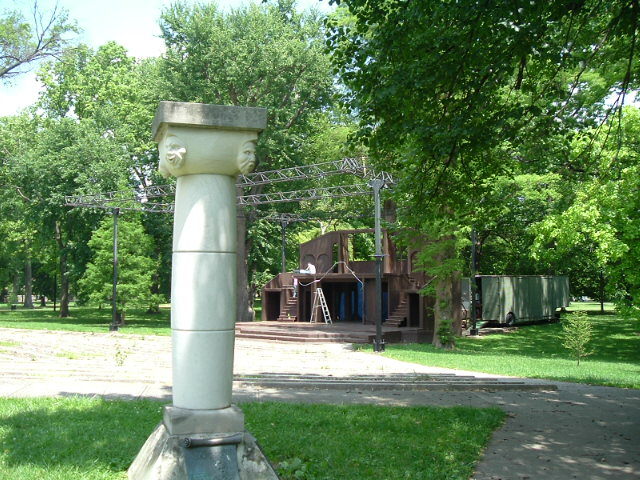
Louisville's summer heat — exacerbated by the urban heat island effect that concentrates warmth in densely built areas — is measurably moderated in blocks adjacent to the park's tree cover. The Louisville Metro Parks department manages the park's infrastructure and programming in coordination with the Old Louisville neighborhood association and preservation organizations that advocate for the district's continued vitality.
Old Louisville's Living Community and Future
Old Louisville's preservation story is not simply a tale of architectural conservation — it is the ongoing story of a living neighborhood that has navigated demographic change, economic pressure, and the practical challenges of maintaining century-old buildings through multiple generations of stewardship. The neighborhood's population includes longtime Louisville residents with deep roots in the district, new arrivals drawn by the architectural character and central location, students from the University of Louisville's nearby campus, and the artists and creative professionals who have found in Old Louisville's affordable historic spaces a community that supports their work and values their presence.
The neighborhood's continued vitality depends on the sustained investment of property owners who maintain their buildings to the standards that preservation requires — an investment that is simultaneously a personal financial decision and a contribution to the collective asset that makes Old Louisville one of Louisville's most significant civic resources.
For Jefferson County residents and anyone considering property in this district, understanding the preservation framework, the maintenance demands of Victorian construction, and the regulatory landscape that governs exterior alterations provides the foundation for responsible historic stewardship. Those researching roofing, exterior maintenance, and building services across Louisville and Jefferson County will find that the district's historic requirements shape every aspect of how exterior work is planned and executed on these properties.