

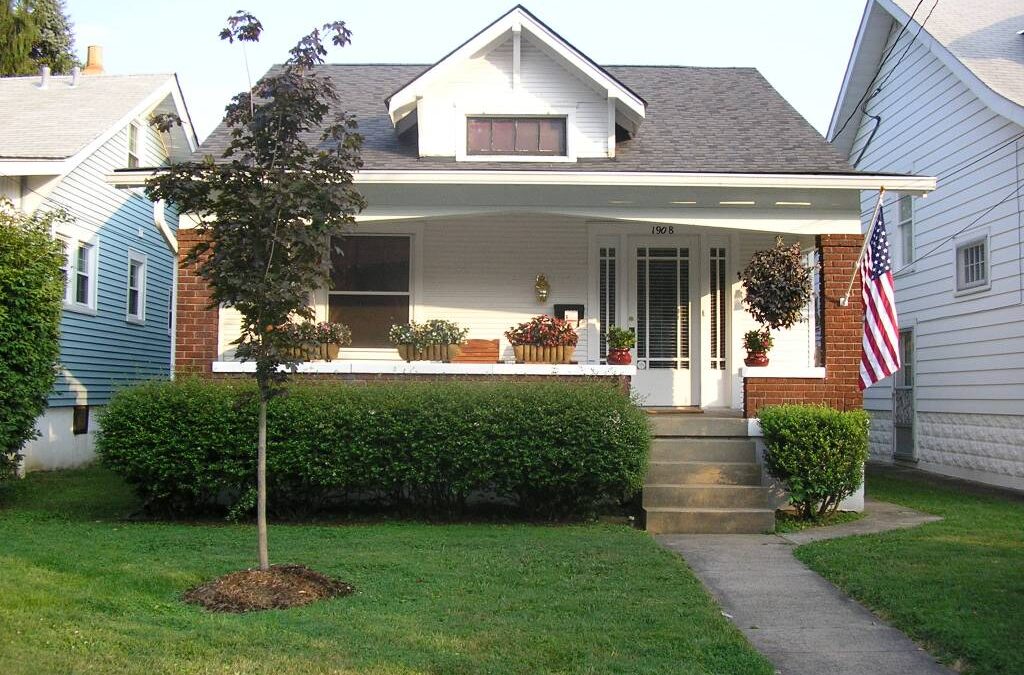
Louisville's neighborhoods tell the story of how the city expanded from the Ohio River outward. Belknap reflects that pattern well. Its mix of older houses, infill construction, and institutional neighbors shows several waves of residential growth. Understanding that history helps owners make sense of the buildings around them, including the roofs overhead.
Where Belknap Fits in Louisville's Growth
Louisville began as a river settlement and spread east and south as transportation improved. Electric streetcar lines, which arrived in the late 19th century, let residents live farther from downtown jobs. That change opened the Highlands corridor and nearby areas to steady residential development.
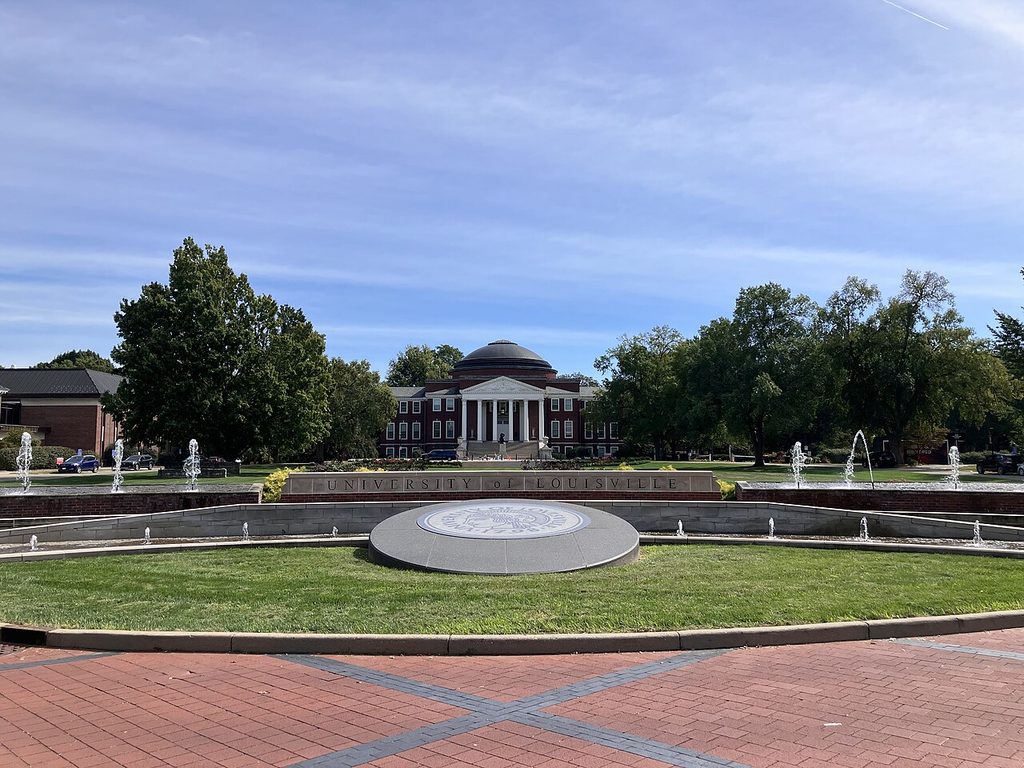
The Belknap name traces to the Belknap family, prominent Louisville hardware merchants. Their name also appears on the University of Louisville's Belknap Campus. Local historical societies and the Louisville Metro government can confirm the neighborhood's exact boundaries, which residents sometimes draw differently.
This early growth set the street grid and lot sizes that remain today. Those patterns also determined which housing styles took hold, which the next section covers.
Housing Styles Across Successive Building Eras
Residential expansion in Louisville happened in layers, and Belknap's blocks show that layering. Each period favored different house forms and roofing materials.
- Late 1800s to early 1900s: Narrow lots suited shotgun houses (single-story homes with rooms arranged in a line) and Victorian-era cottages. Roofs were often steeply pitched, and original coverings included slate or wood shingles.
- 1910s to 1930s: Craftsman bungalows and Tudor Revival homes became common. These designs added dormers, gables, and overhanging eaves, which create more roof valleys and more places for water to collect.
- Post-World War II: Returning veterans and rising car ownership encouraged infill and smaller, simpler houses. Asphalt shingles became the standard covering.
This mix means two neighboring houses can have very different roof structures. The age and design of each home affect how it handles Kentucky's weather, which is the focus of the next section.
How Louisville's Climate Affects Older Residential Roofs
Louisville has a humid subtropical climate, with hot summers, mild winters, and plentiful rain. The National Weather Service in Louisville tracks the region's severe thunderstorms, which can bring hail and straight-line winds (strong winds that do not rotate like a tornado). Spring is typically the most active season, and storm-related roof damage is a common concern for older homes after those events.
Winter adds a different stress. Temperatures often swing above and below freezing, and repeated freeze-thaw cycles can loosen flashing (the thin metal that seals roof joints) and open small gaps. Summer heat also ages asphalt shingles faster by drying out their protective granules.
Older homes face extra exposure because their original materials have been through many more of these seasons. Tree cover, common in established neighborhoods like Belknap, adds debris and moisture that can speed wear. These conditions make age and maintenance history important context for any home built during the neighborhood's expansion.
Preservation Rules and Roofing Materials in Historic Areas
Some Louisville neighborhoods fall under local preservation district rules, which can limit exterior changes. Louisville Metro government lists the planning and design offices that explain which areas carry those review requirements. Owners should check a property's status before assuming that any material is allowed.
Preservation guidance generally favors materials that match a building's original character. The National Park Service explains the principles in its historic roofing guidance, and those principles influence local review decisions. Slate and clay tile can last for generations when maintained, while modern shingles last far shorter periods.
Even outside formal districts, older homes often have structural features that affect material choices. Aged decking, steep pitches, and multiple roof planes all influence what a roof can safely support. That reality ties the neighborhood's history directly to practical property decisions.
Why Belknap's Growth History Still Matters
Belknap's gradual expansion left residents a varied housing stock rather than a single uniform style. That variety brings character, but it also means maintenance needs differ from block to block. A home's era tells owners a great deal about its likely materials, structure, and weak points.
Louisville's weather will keep testing these buildings. Knowing when a house was built, how it was altered, and which materials it uses gives owners a clearer picture of what to expect when planning roof replacement. The neighborhood's past continues to shape its present, one roofline at a time.