

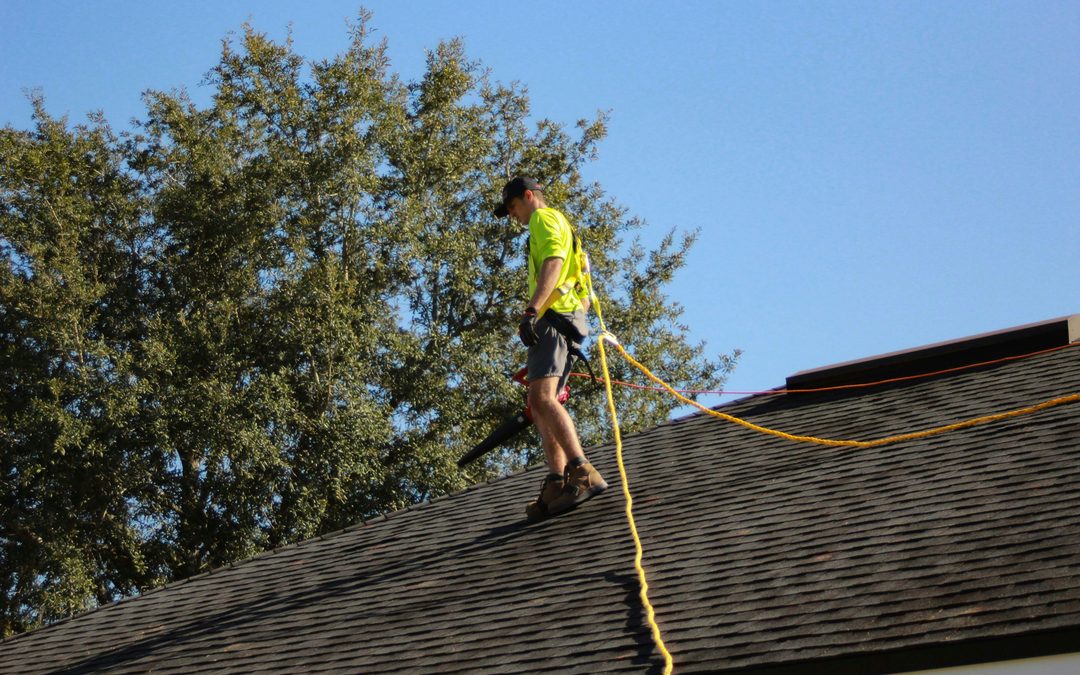
At We Nailed It Roofing & Gutters, every roof replacement, repair, or inspection we take on in Louisville touches federal and state safety rules that most property owners never see. These rules exist because roofing ranks among the most dangerous trades in construction, where a fall from even a single story can cause serious injury. We wrote this guide for homeowners, landlords, and business owners across Jefferson County: how OSHA regulates roofing work, why it shapes every job we run, and what to look for when hiring a crew.
Why OSHA's Fall Protection Rule Governs Every Roofing Job
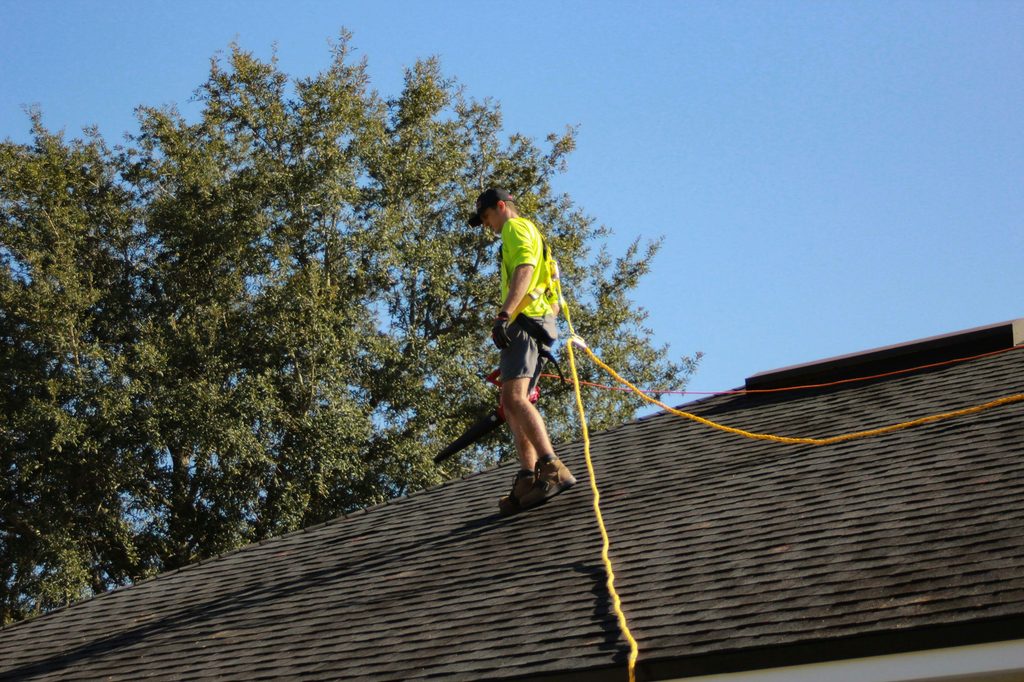
OSHA's core roofing regulation, 29 CFR 1926.501, sets a simple trigger: any worker six feet or higher above a lower level needs protection from falling. That protection can take the form of guardrail systems, safety net systems, or personal fall arrest systems, meaning harnesses connected to an anchor point that stop a fall before it turns serious. On roofs 50 feet wide or less, a trained safety monitor can watch for hazards instead of a physical barrier. We treat OSHA's fall protection standard as a baseline on every roof we climb, not a checklist to skim.
Fall protection has held the top spot on OSHA's list of most frequently cited safety violations nationwide for more than a decade, remaining the number one cited standard in fiscal year 2024. That ranking is no coincidence: roofing crews spend entire shifts working at height, often on slick or aging decking, so a lapse in fall protection is one of the fastest ways a routine job turns life-threatening. Louisville's mix of century-old rooflines downtown and steep-pitched suburban homes in areas like St. Matthews, Middletown, and Prospect gives us every reason to treat the standard as non-negotiable on every crew we send out.
How Kentucky Enforces These Standards on Every Job We Run
Kentucky does not simply defer to federal regulators. The commonwealth runs its own OSHA-approved State Plan, administered by the Kentucky Department of Workplace Standards through its Division of Occupational Safety and Health Compliance, which inspects sites, investigates complaints, and enforces safety rules under Kentucky Revised Statutes Chapter 338. Those state standards must be at least as protective as the federal rules OSHA sets. As a roofing contractor working in Louisville, we answer to Kentucky's own workplace safety division, not only a distant federal office.
For property owners, this local enforcement means complaints about unsafe roofing work in Jefferson County get reviewed by inspectors who know Kentucky's building stock and climate. If you suspect a crew is cutting corners on fall protection, you can file directly with the state instead of navigating a purely federal process. Contractors who ignore the rules risk citations, shutdowns, and reputational damage that follows them across the Louisville market. We build safety compliance into every estimate we write, not as an afterthought.
The Numbers Behind the Regulations
The reasoning behind these rules shows up clearly in national injury data. According to federal labor statistics, construction and extraction workers accounted for 370 fatal falls, slips, and trips in 2024, the highest total of any occupational group tracked, though down from 400 the year before. Regulators credit part of that drop to stricter enforcement of fall protection requirements like the ones covering roofing. Falls remain the single most common way a roofing job turns fatal, which is why we treat this standard as a floor, not a suggestion, on every roof our crews touch in Jefferson County.
What Compliant Roof Work Looks Like on Our Jobsites
We make our safety measures visible on site, not just on paper. Homeowners and property managers who know what to look for can spot the difference between a crew that takes OSHA seriously and one gambling with its workers' safety. Here's what we put in place on every active job:
- We install guardrail systems or temporary guardrails along roof edges and openings
- We use personal fall arrest systems, meaning a harness, lanyard, and secure anchor point, on steep-slope work
- We pair warning line systems with a trained safety monitor on qualifying low-slope roofs
- We secure every ladder properly, since ladder violations rank among OSHA's other most-cited construction issues
- We write a site-specific fall protection plan, following the same framework promoted by the national fall-prevention campaign run by OSHA, NIOSH, and CPWR, for jobs where standard systems genuinely are not feasible
Residential vs. Commercial Roofing Requirements
The protections required can differ between property types. On residential jobs across Louisville's neighborhoods, we follow OSHA's residential fall protection provisions, which allow alternative plans only when standard guardrails or nets are genuinely infeasible. On commercial and multi-family projects, including flat and low-slope roofs common on offices and apartments, we more often rely on warning lines and safety monitors. Either way, we're responsible for matching the protection method to the actual roof.
Why This Matters When You're Comparing Roofing Bids
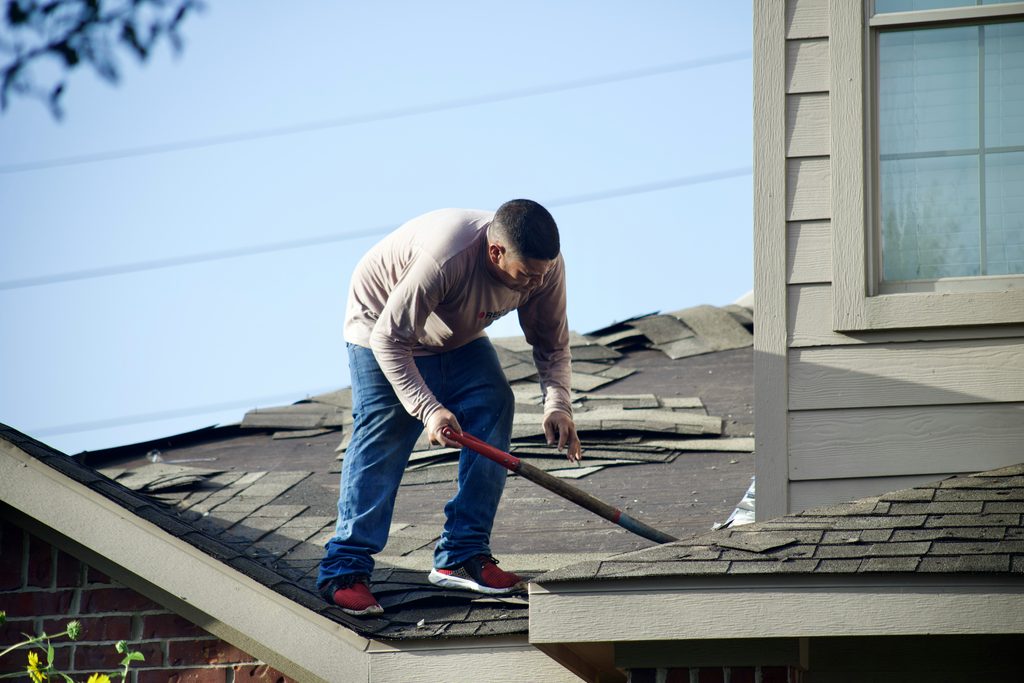
None of this is abstract if you're comparing roofing bids in Louisville. A contractor who invests in fall protection training and Kentucky-compliant safety plans is also more likely to carry proper insurance, pull the right permits, and stand behind the finished work. Cutting corners on safety rarely shows up on an invoice, but it can turn into a serious problem during an insurance claim if a worker gets hurt on your property. Asking how a roofing company handles fall protection is a fair question, and we're always glad to answer it.
Ready to Work with a Louisville Roofing Team That Takes Safety Seriously
At We Nailed It Roofing & Gutters, we built our reputation in Louisville by treating OSHA's and Kentucky's safety requirements as the baseline, not the ceiling. Whether we're handling storm damage, a new gutter system, or a commercial inspection, our crews show up with the guardrails, harnesses, and training the rules require. Understanding these regulations should make your decision easier, not harder, when choosing who gets on your roof.
We bring that same standard to every community we serve, including Crestwood, Jeffersontown, Lyndon, Highview, Okolona, and Shelbyville throughout Kentucky. Just across the river, we also cover Jeffersonville, New Albany, Clarksville, and Sellersburg in Southern Indiana.
If you're ready for it done the right way, contact us and let's talk about your property.