

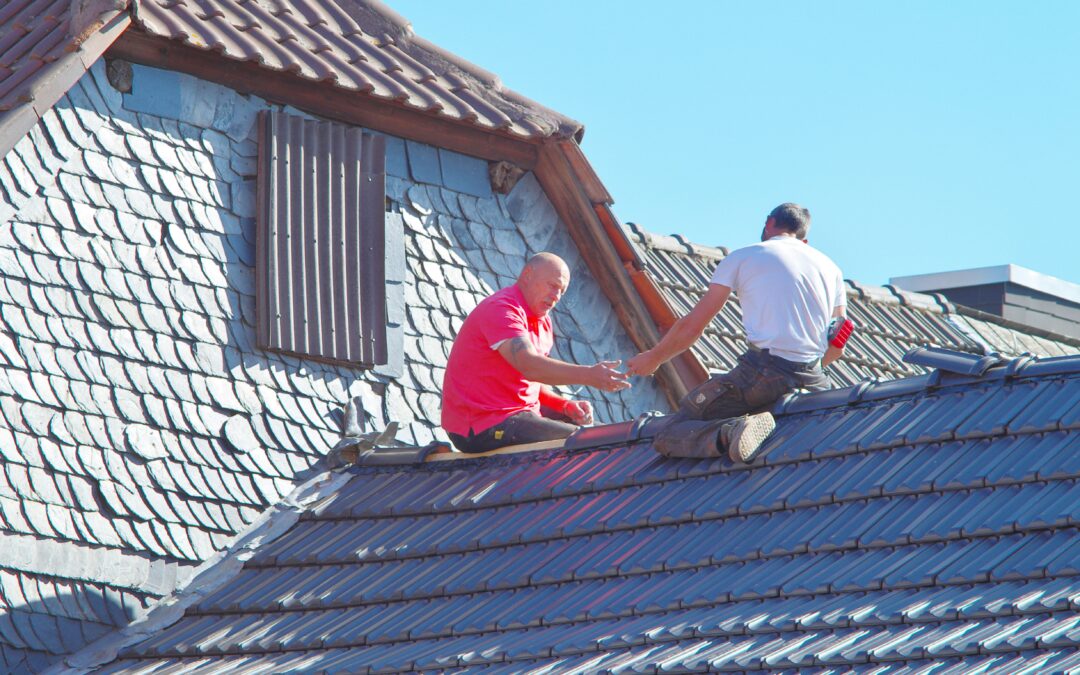
Every roofing project in Louisville — whether it's a full replacement after storm damage or a repair on an aging shingle system — happens within a framework of building code requirements that govern how that work must be performed. Kentucky's building code standards for roofing establish minimum requirements for materials, installation methods, load capacity, and permit procedures that protect homeowners, their neighbors, and the contractors doing the work.
For Louisville and Jefferson County residents, understanding what these compliance standards require gives you a concrete basis for evaluating any roofing contractor before authorizing work on your home.
How Kentucky's Building Code Applies to Roofing Projects
Kentucky adopts the International Building Code (IBC) and the International Residential Code (IRC) as the basis for its statewide building standards, with local jurisdictions authorized to adopt amendments that address regional conditions. Louisville Metro — operating under the Louisville Metro Department of Inspections, Permits, and Licenses — administers the permitting and inspection process for roofing projects within Jefferson County.
The IRC's roofing chapter establishes minimum standards for materials, underlayment, fastening patterns, flashing, and ventilation that every compliant residential roofing installation must meet. Permits are required for most roofing work in Louisville Metro beyond minor repairs. A contractor who performs a full roof replacement without pulling the required permit isn't just cutting administrative corners — they're bypassing the inspection process that verifies the installation meets code.
That bypass creates real risk for homeowners: an unpermitted roof replacement may not be discoverable by insurance adjusters as code-compliant work during a future claim, and it can create title complications when a home is sold. The Louisville Metro Government administers the permit and inspection system that provides the documentation trail homeowners need when roofing work is performed correctly.

What Kentucky's Roofing Standards Require for Materials and Installation
The IRC's material and installation requirements for asphalt shingle roofing — the most common residential roofing type in Louisville — address several specific performance criteria that directly affect how a roof holds up through Kentucky's weather. Kentucky's climate delivers a demanding combination: cold winters with ice dam potential, spring severe weather with hail and high winds, and summer heat that accelerates shingle degradation on south-facing slopes.
Key IRC requirements for asphalt shingle installation in Kentucky include minimum slope requirements for shingle application, underlayment specifications that address both water resistance and ice dam protection, fastener type and pattern requirements, and flashing standards at roof penetrations, valleys, and wall intersections. The ice barrier requirement — a self-adhering modified bitumen underlayment installed at the eave to prevent water intrusion from ice damming — applies in climates where average daily temperature is 25°F or below for extended periods.
Louisville's winter temperature profile typically triggers this requirement, making ice barrier installation a code compliance issue rather than an optional upgrade on Louisville residential roofing projects. The Insurance Institute for Business and Home Safety has documented through controlled testing that ice barrier installation and proper flashing at roof-to-wall intersections are among the most impactful variables in preventing water intrusion damage in cold-climate residential roofing — findings that reinforce why these code requirements exist and why compliance matters beyond the permit checkbox.
GAF and Owens Corning Certification and What It Adds to Code Compliance
Kentucky's building code establishes the floor for roofing installation quality — the minimum a contractor must meet to pass inspection. Manufacturer certification programs like GAF's Master Elite designation and Owens Corning's Preferred Contractor program establish standards above that floor, requiring certified contractors to meet training, insurance, licensing, and installation quality requirements that the manufacturer verifies independently.
For Louisville homeowners, manufacturer certification matters in a specific practical way: it's the gateway to enhanced warranty coverage. GAF and Owens Corning both offer extended system warranties — covering both materials and workmanship — that are only available when a certified contractor installs the manufacturer's complete roofing system according to specification.
A code-compliant installation by an uncertified contractor may produce a roof that passes inspection but doesn't qualify for the manufacturer's enhanced warranty coverage. The NHTSA tracks building product performance data that reinforces how manufacturer certification programs correlate with installation quality outcomes — a parallel to the automotive safety data that reflects why credential-based standards matter across consumer product categories.
What Louisville Homeowners Should Confirm Before Any Roofing Project
Understanding Kentucky's roofing compliance standards gives Jefferson County homeowners a specific set of verification questions that cut through marketing claims and establish whether a contractor is operating correctly. Before authorizing any roofing project in Louisville or surrounding communities, confirm the following:
- Will the contractor pull the required permit for this project, and will the work be inspected by Louisville Metro?
- Does the installation plan include ice barrier underlayment at the eaves as required by the IRC for Louisville's climate zone?
- What are the proposed flashing specifications at valleys, penetrations, and wall intersections?
- Does the contractor hold current manufacturer certification from GAF, Owens Corning, or another major manufacturer — and does that certification qualify the installation for enhanced warranty coverage?
- Does the contractor carry current general liability and workers' compensation insurance, and can they provide certificates before work begins?
The Kentucky Department of Housing, Buildings and Construction oversees statewide building code administration and provides resources on contractor licensing and compliance requirements that Louisville homeowners can reference when evaluating any roofing contractor.
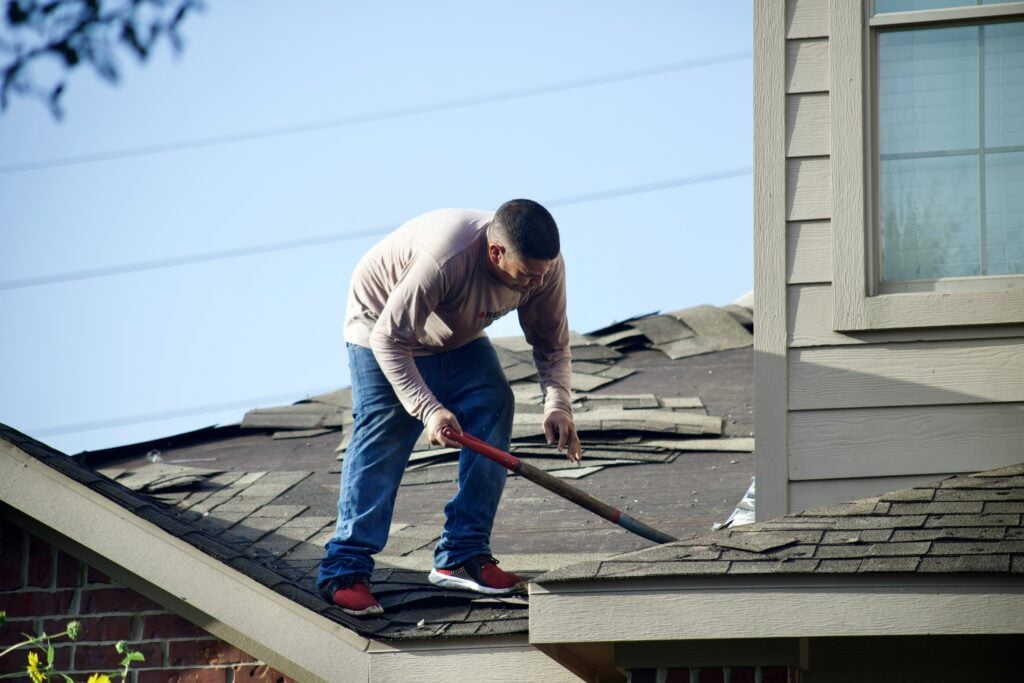
Louisville Roofing Compliance From a Team With the Credentials to Back It Up
Understanding Kentucky's building code requirements and what manufacturer certification adds to code compliance gives Louisville homeowners a two-level framework for evaluating any roofing contractor — minimum compliance on one level, and the verified installation quality that manufacturer certification represents on the other. The contractors worth trusting meet both standards without being asked.
We Nailed It Roofing & Gutters brings 45+ years of combined experience and 2,000+ completed jobs to every project across Louisville, Jeffersonville, New Albany, Shepherdsville, Mt. Washington, and surrounding communities. As a GAF Certified and Owens Corning Preferred contractor, we pull permits, install to manufacturer specification, and back every job with a 5-year workmanship warranty.
Whether you need a roof inspection to assess your current condition, roof repair after storm damage, a complete roof replacement or roof installation on new construction, a roof coating to extend your roof's life, or enrollment in a roof maintenance program to stay ahead of problems before they become costly repairs — our team handles it all with compliance-first craftsmanship and transparent communication.
Call today for your free inspection and find out what Louisville roofing done right looks like.