

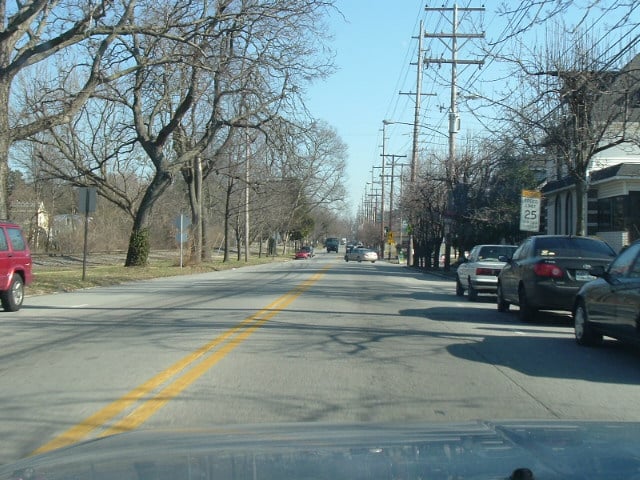
Clifton is one of Louisville, Kentucky’s architecturally distinguished and historically intact urban neighborhoods — a compact residential district northeast of downtown whose concentration of Victorian-era houses, tree-lined streets, and the independent commercial character of Frankfort Avenue have made it one of the sought-after addresses in the entire Louisville metropolitan area and one of the a compelling example of nineteenth century residential development surviving in the American Midwest.
Developed primarily between the 1860s and the 1910s as Louisville’s prosperous merchant and professional class built their homes along the rolling terrain on the river valley escarpment south of the Ohio River, Clifton preserves a streetscape of Queen Anne cottages, Italianate townhouses, Folk Victorian bungalows, and the occasional grand Colonial Revival residence whose variety and architectural richness give the neighborhood its distinctive visual character.
For Louisville residents, Jefferson County families, and anyone seeking to understand the residential heritage and neighborhood character of one of Kentucky’s most culturally vibrant cities, Clifton provides an essential and architecturally rewarding lens.
Clifton’s Origins and Nineteenth Century Development
Clifton’s development as a residential neighborhood traces to the post-Civil War economic expansion that gave Louisville’s prosperous households the means and the ambition to build substantial homes beyond the older downtown core. The neighborhood’s terrain — the gentle hills and irregular topography that distinguish it from the flatter neighborhoods closer to the Ohio River — attracted the builders and buyers who associated hillside locations with the social prestige and the fresh air circulation that Victorian urban culture valued in residential settings.
The street grid that defines Clifton’s residential fabric was laid out across the 1860s and 1870s as land speculators and residential developers platted the lots whose modest but varied dimensions accommodated the full range of Victorian residential construction from the worker’s cottage to the substantial merchant’s house.
The Louisville Landmarks Commission maintains the regulatory framework within which Clifton’s significant historic resources are recognized and protected, the municipal preservation program whose designation standards govern alterations to the historic streetscape that gives the neighborhood its architectural integrity.
Victorian Architecture and the Built Environment
Clifton’s architectural character reflects the full range of Victorian residential styles that American builders deployed across the final three decades of the nineteenth century, its streets presenting a catalog of the aesthetic preferences and construction technologies that successive waves of homebuilders brought to Louisville’s residential landscape. The Queen Anne style — with its asymmetrical facades, wraparound porches, decorative shingles, and the ornamental woodwork that Victorian carpenters called “gingerbread” — appears throughout Clifton in houses ranging from the modest two-story cottage to the substantial residence whose corner tower and elaborate detailing signal the owner’s prosperity and aesthetic ambitions.
The Clifton Historic District was listed on the National Register of Historic Places on August 29, 1983, encompassing approximately 169 acres of the neighborhood’s most historically significant residential and commercial fabric — a federal recognition that formally established Clifton’s architectural heritage as worthy of preservation and that opened the door to the historic preservation tax incentives that have supported renovation investment in the district’s Victorian housing stock.
Italianate houses, recognizable by their bracketed cornices, tall narrow windows with decorative hoods, and the low-pitched rooflines whose overhanging eaves give the style its distinctive silhouette, represent an earlier Victorian taste that persists in Clifton’s oldest blocks where development preceded the Queen Anne fashion’s dominance in the 1880s and 1890s.
The Folk Victorian style, applying Queen Anne decorative elements to simpler vernacular house forms, gives Clifton many of its most charming streetscape contributors — houses whose modest scale and straightforward construction make Victorian ornament accessible across the full range of the neighborhood’s economic spectrum. The National Park Service administers the National Register of Historic Places and the federal historic preservation tax credit programs that support renovation investment in Louisville’s Victorian neighborhoods, the federal program whose standards govern National Register nominations and the preservation incentives that sustain the historic fabric of districts like Clifton.
Frankfort Avenue and the Commercial Corridor
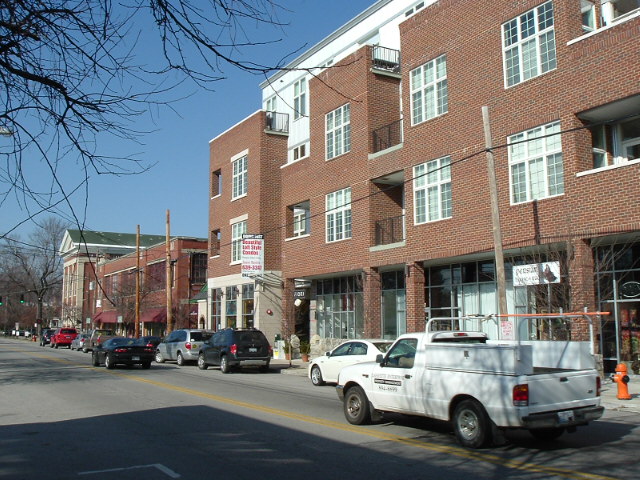
the neighboring Crescent Hill and Butchertown communities, gives the neighborhood its publicly visible face and an actively programmed civic identity as the gathering place for the restaurants, independent retailers, galleries, and the seasonal events that draw visitors from across Louisville to experience an authentic neighborhood commercial street.
The avenue’s commercial character reflects the layered investment of multiple generations of neighborhood business activity, its Victorian-era commercial buildings now housing the craft cocktail bars, farm-to-table restaurants, independent bookshops, and the eclectic retail mix that serves Clifton’s educated and culturally engaged residential population.
The Highlands Louisville neighborhood reflects the same pattern of Victorian residential development and independent commercial street character that defines Clifton, both neighborhoods anchoring the arc of historically intact urban residential districts that give Louisville its compelling pedestrian streetscapes east of downtown.
The Frankfort Avenue corridor’s monthly FAT Friday Trolley Hop — a rolling street festival that activates the avenue’s restaurants, galleries, and independent retailers on the last Friday of each month from April through October — gives the commercial district its consistent community gathering programming and draws participants from across Louisville to experience one of the city’s most vibrant neighborhood commercial streets.
Preservation Challenges and Neighborhood Resilience
Clifton’s architectural integrity owes as much to the community’s sustained preservation advocacy as to any inherent protection from the development pressures that have erased comparable Victorian neighborhoods in other American cities. The neighborhood association’s active engagement with Louisville’s planning and zoning processes, its advocacy for historic designation of threatened properties, and the community culture of renovation investment that gives Clifton homeowners both the motivation and the social support to undertake the demanding restoration work that maintaining Victorian houses requires have collectively sustained the neighborhood’s historic character through decades of urban change.
The Museum Row Louisville cultural corridor reflects the same civic investment in Louisville’s historic built environment that Clifton’s preservation community embodies, both representing the city’s recognition that its architectural heritage is a cultural and economic asset whose stewardship generates the quality of place that attracts residents, businesses, and visitors to Louisville’s most distinctive urban districts.
Kentucky’s Climate and Clifton’s Architectural Maintenance
Kentucky’s humid subtropical climate creates the specific seasonal maintenance demands that Clifton’s Victorian housing stock must withstand across the full range of Louisville’s four-season weather. Louisville experiences a humid subtropical climate with hot summers averaging July highs near 87°F, mild winters with average January lows near 27°F, and approximately 46 inches of annual precipitation according to NOAA climate data for Louisville, Kentucky.
The freeze-thaw cycles that Louisville’s winter temperature fluctuations produce — the repeated transitions between freezing overnight temperatures and above-freezing daytime highs that characterize Kentucky’s transitional climate zone — create the moisture infiltration, wood expansion and contraction, and masonry deterioration that Victorian house maintenance must address each spring to prevent the cumulative damage that deferred maintenance compounds across multiple seasons.
The summer heat and humidity that characterize Louisville’s July and August create the paint failure, wood rot, and moisture management challenges that Victorian houses face during the hottest months, when high ambient humidity levels slow the drying of painted surfaces and create the conditions under which wood deterioration accelerates in the porches, window frames, and ornamental woodwork that define the neighborhood’s architectural character.
Clifton’s Role in Louisville’s Urban Identity
Clifton’s significance to Louisville extends beyond its function as a residential neighborhood into its role as one of the most vivid expressions of the city’s nineteenth century prosperity and architectural ambition — a district whose streetscapes document the aspirations and aesthetic values of the Louisville households whose investment in quality residential construction created the architectural legacy that current residents steward.
The neighborhood’s sustained appeal to the educated professionals, artists, and urban families whose residential choices shape Louisville’s vibrant communities reflects the enduring value of walkable, architecturally rich urban neighborhoods whose human scale and historical character offer an alternative to the generic suburban development that surrounds the city’s historic core.
The Portland Louisville riverfront neighborhood reflects the full range of Louisville’s historic residential heritage, both communities representing the layered urban development that makes Louisville one of the American Midwest’s architecturally compelling cities.
For Jefferson County residents and anyone exploring the Victorian architecture, neighborhood character, and urban heritage of Louisville, Kentucky, Clifton remains the most architecturally intact and most actively preserved Victorian residential neighborhood in one of the American Midwest’s historically significant river cities.